

Creative Parents: Charlotte Ghaie (contemporary artist and mother of two)
"Motherhood draws you into other realms, and everything becomes something entirely new."

Hello from Queensland! I’m in Noosa this week with my parents from the UK, and we are having such a beautiful time. But I also recognise the manic-ness of December as such a crazy time in the lead up to Christmas — especially for mums! So I hope all my readers are making time to decompress at the end of the day.
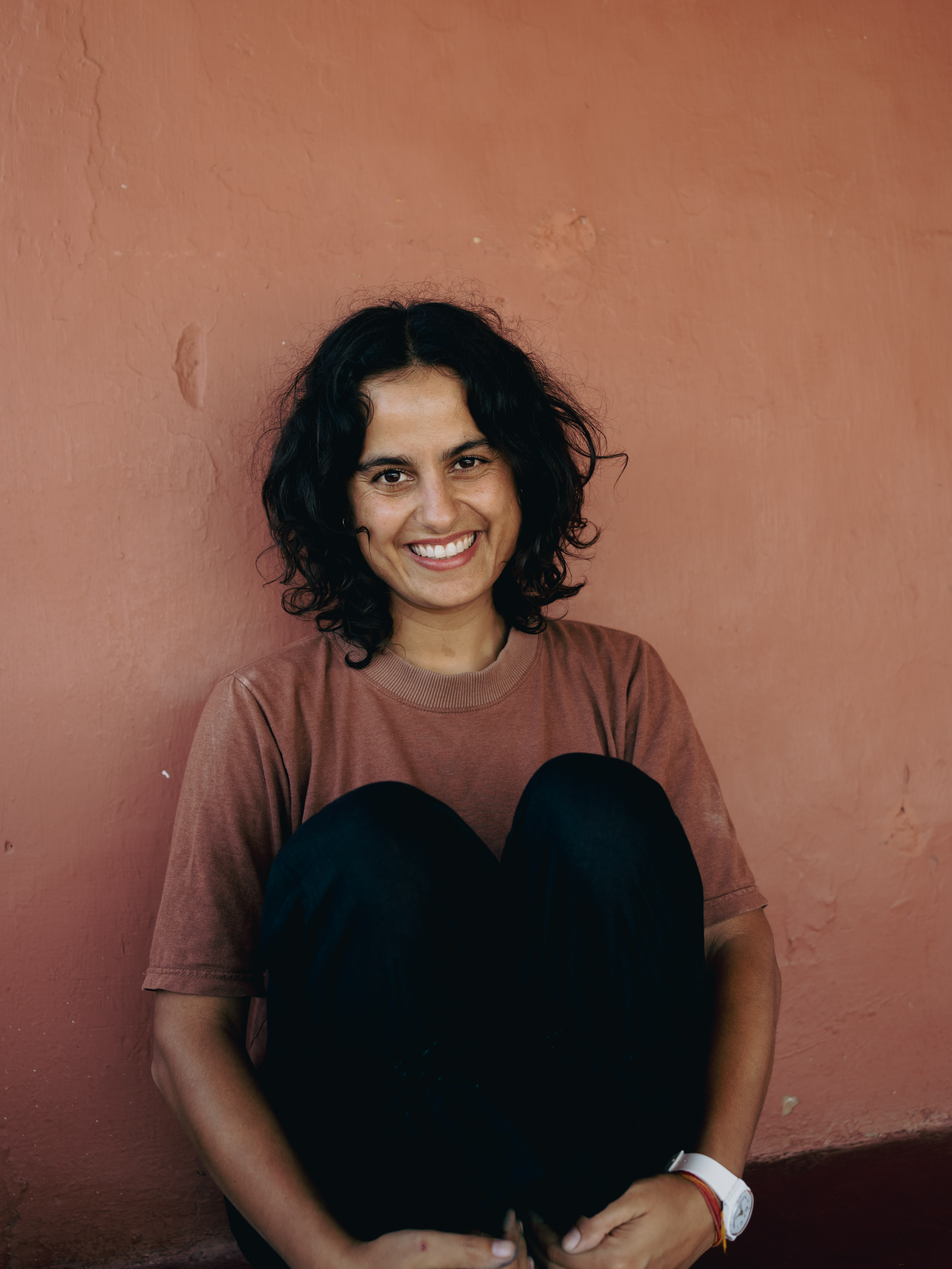
I’m really happy to share this interview with Charlotte Ghaie, an artist creating artworks, mostly, from pastels on paper. There is a softness in her materiality that feeds throughout her oeuvre and concepts. Dreamy. Moody. And light filled. I first saw one of her artworks via her gallery, Sunday Salon, and knew I wanted her on here. Charlotte discovered her art practice after having her kids and her own role into parenting has had its challenges as she navigates her daughter’s type 1 diabetes. I feel so honoured that she's found time in her busy life to answer these questions for the series, especially as a point of support for other people going through the same. I hope you all love this interview and share the love with Charlotte!
Here is the Q&A of Charlotte Ghaie, contemporary artist and mother of two:
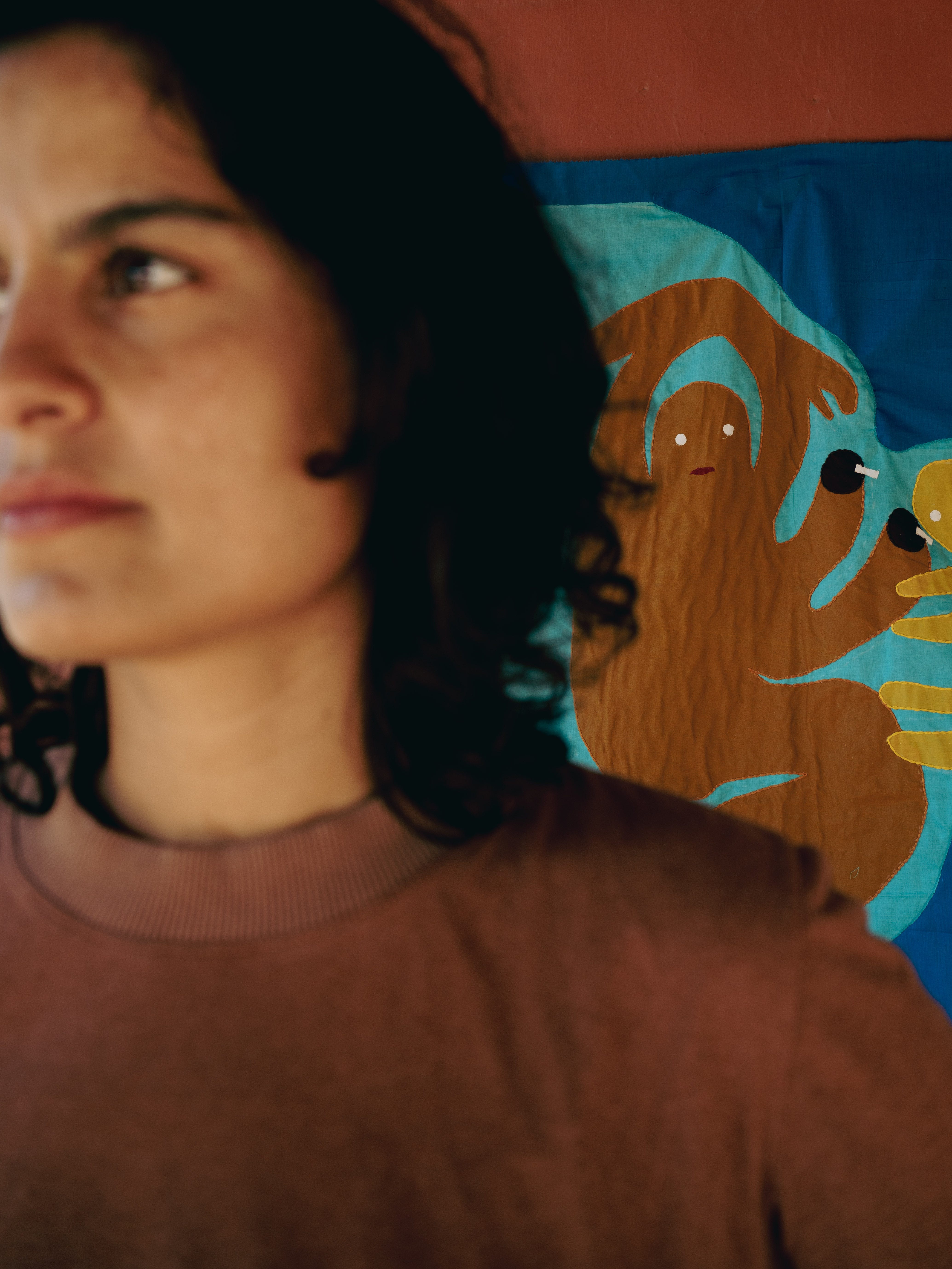
Can you tell us about your art & design practice — what do you create, with what, and why?
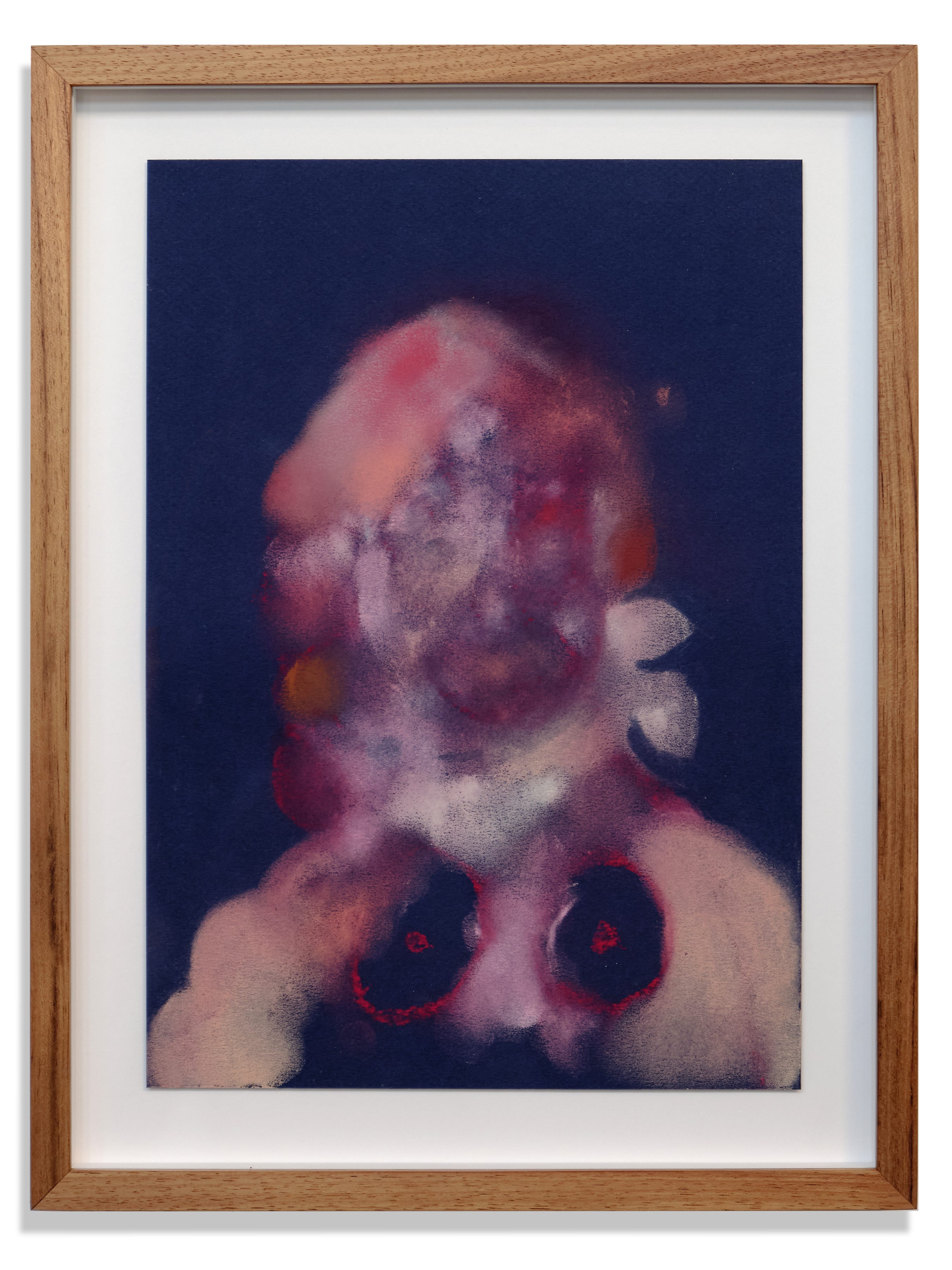
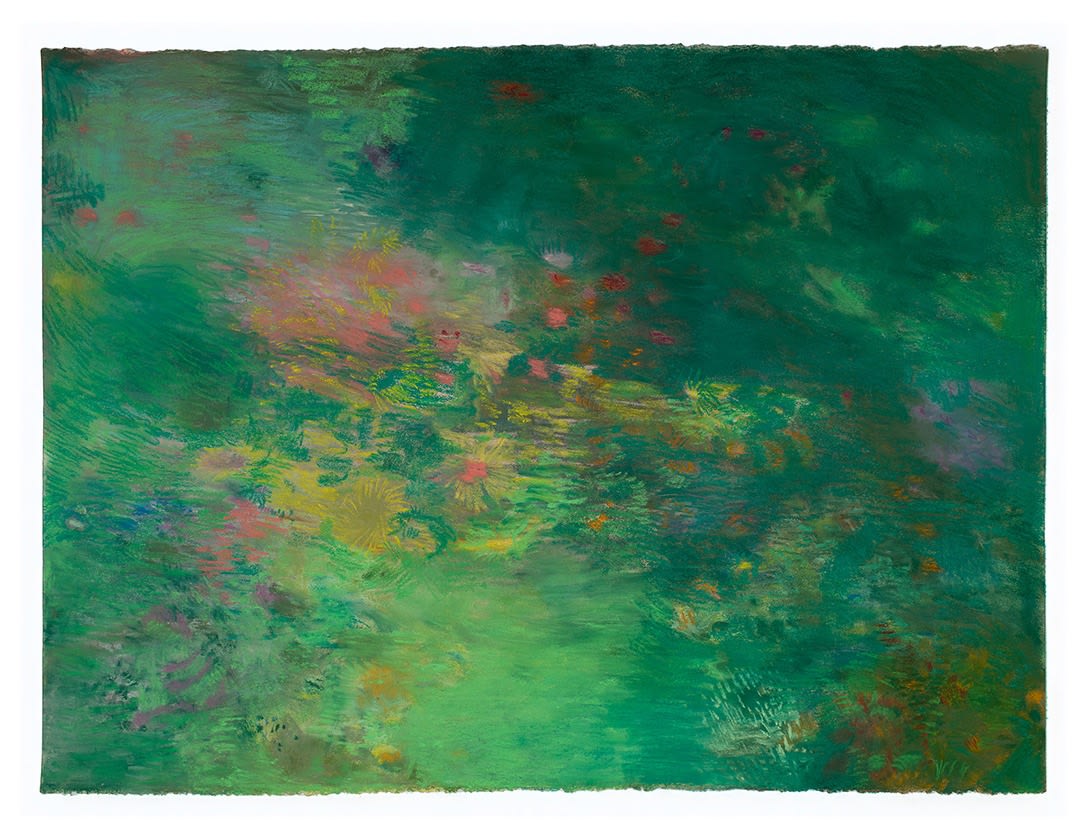
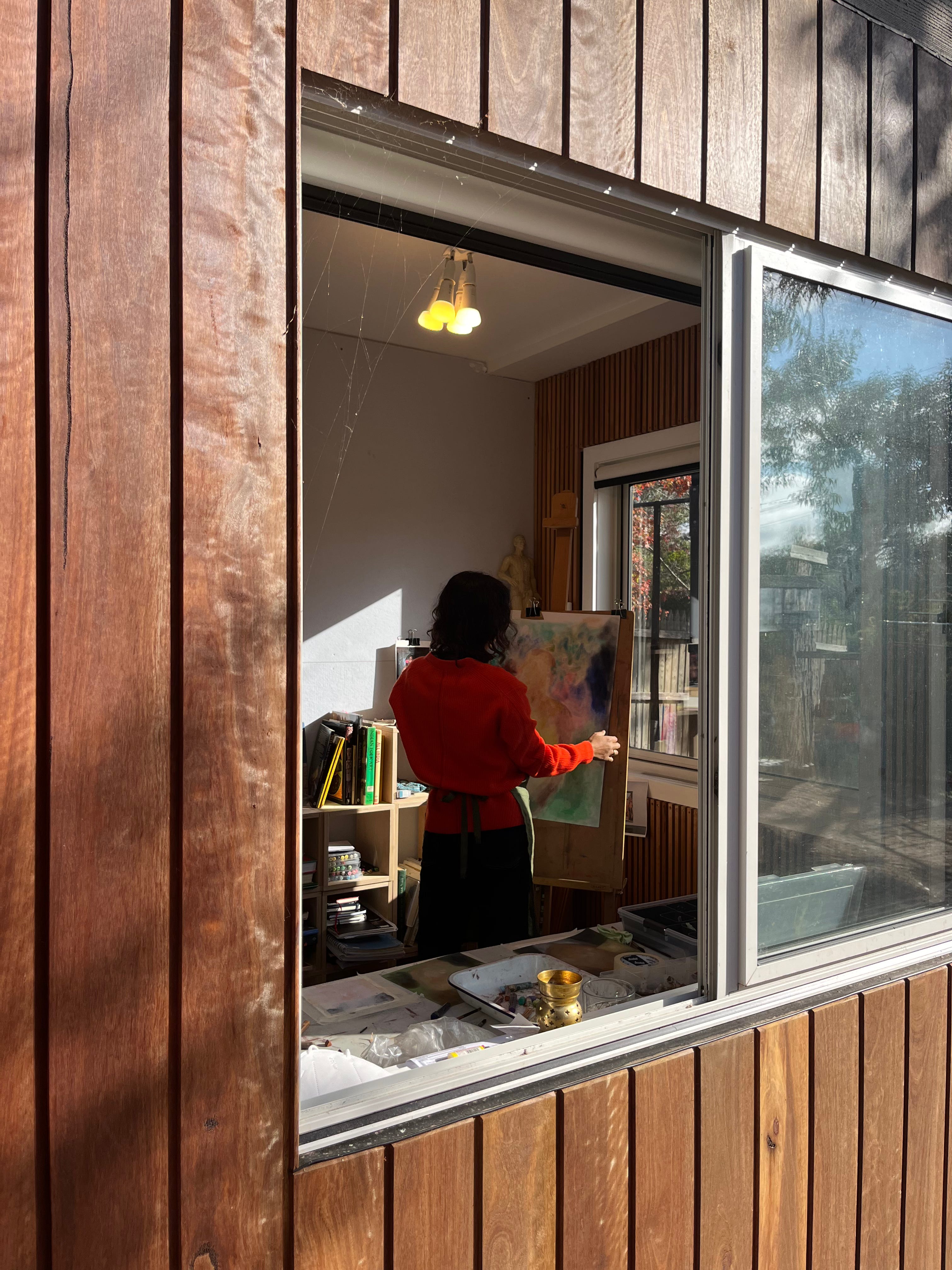
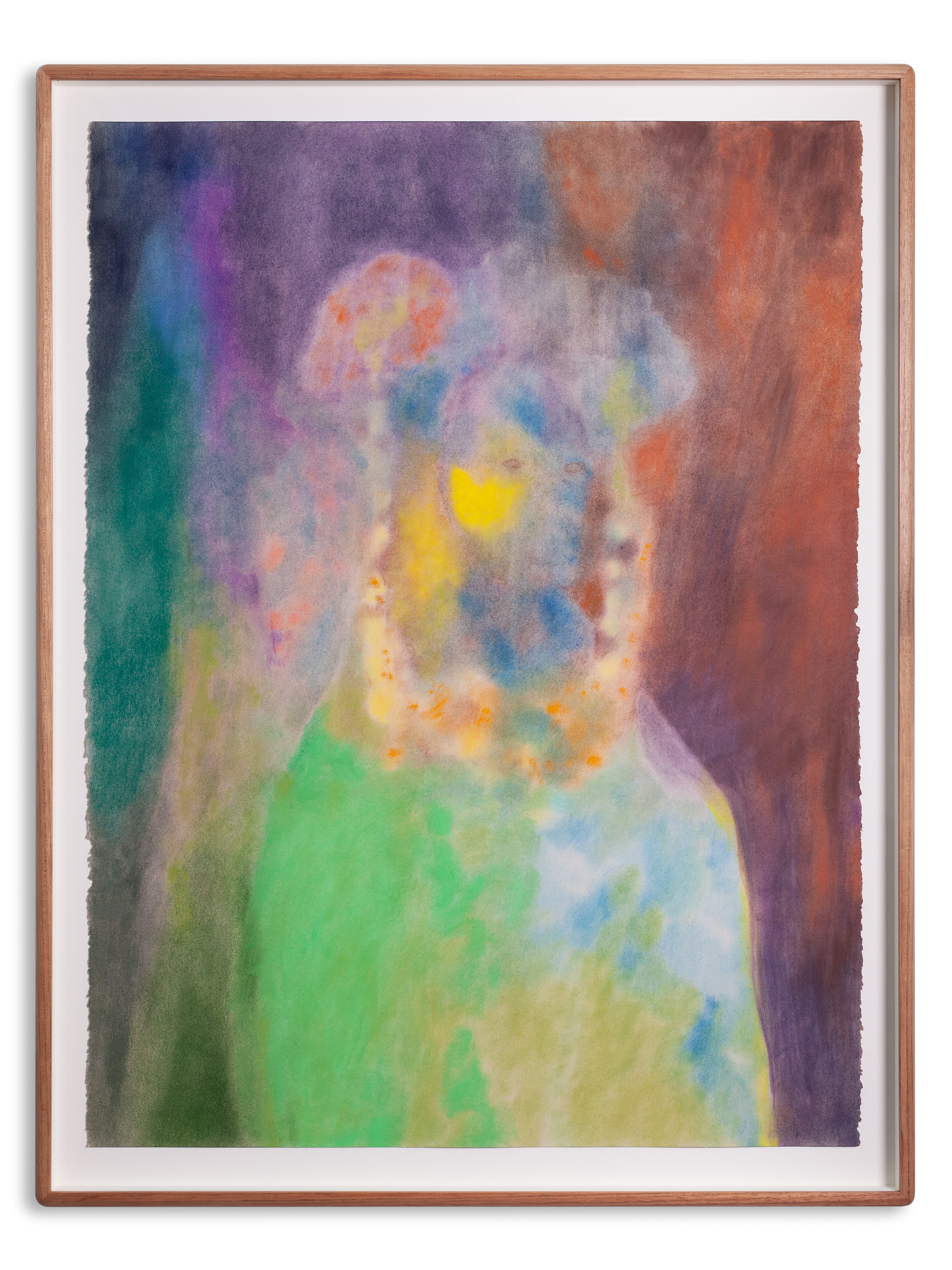
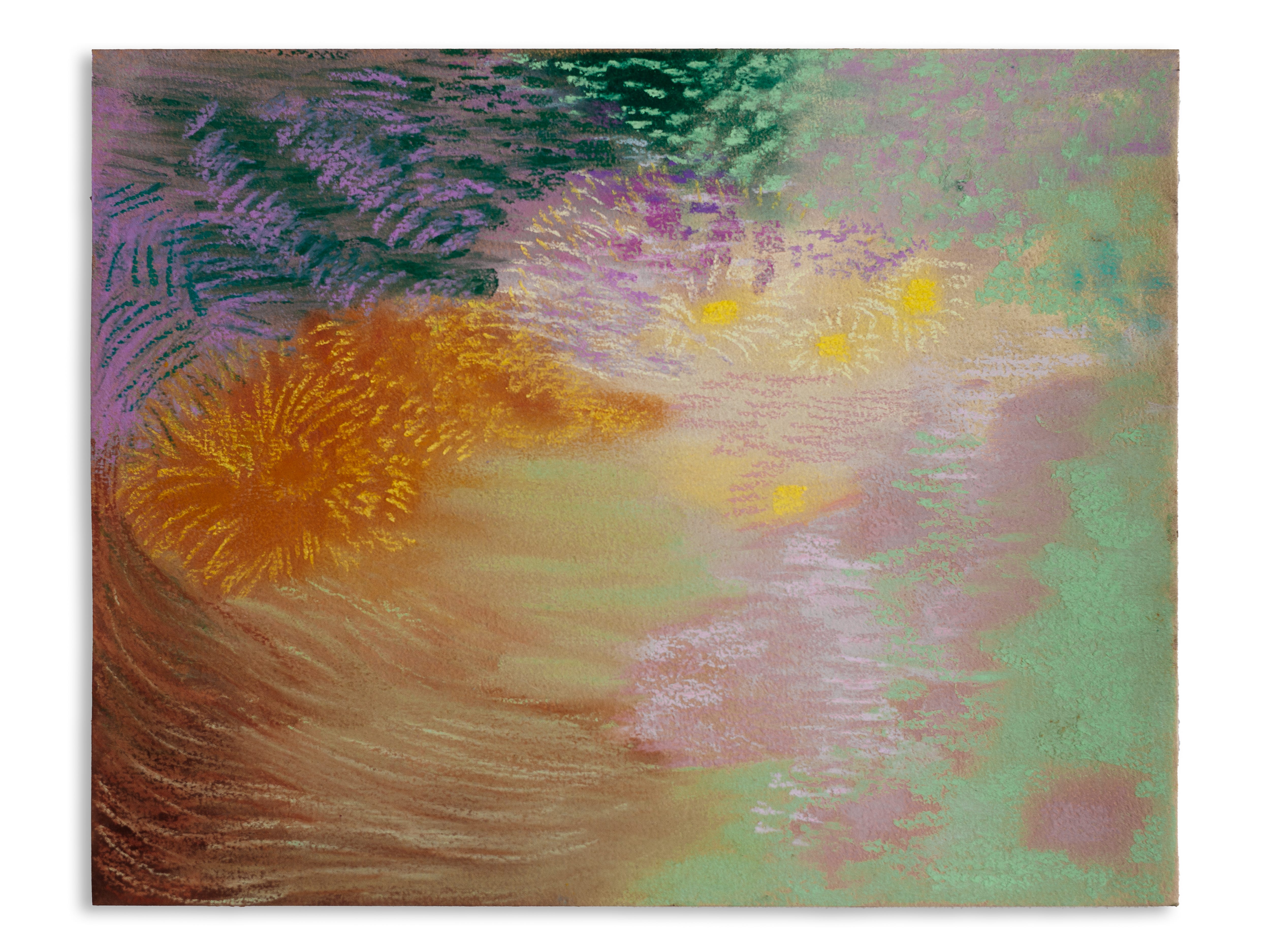
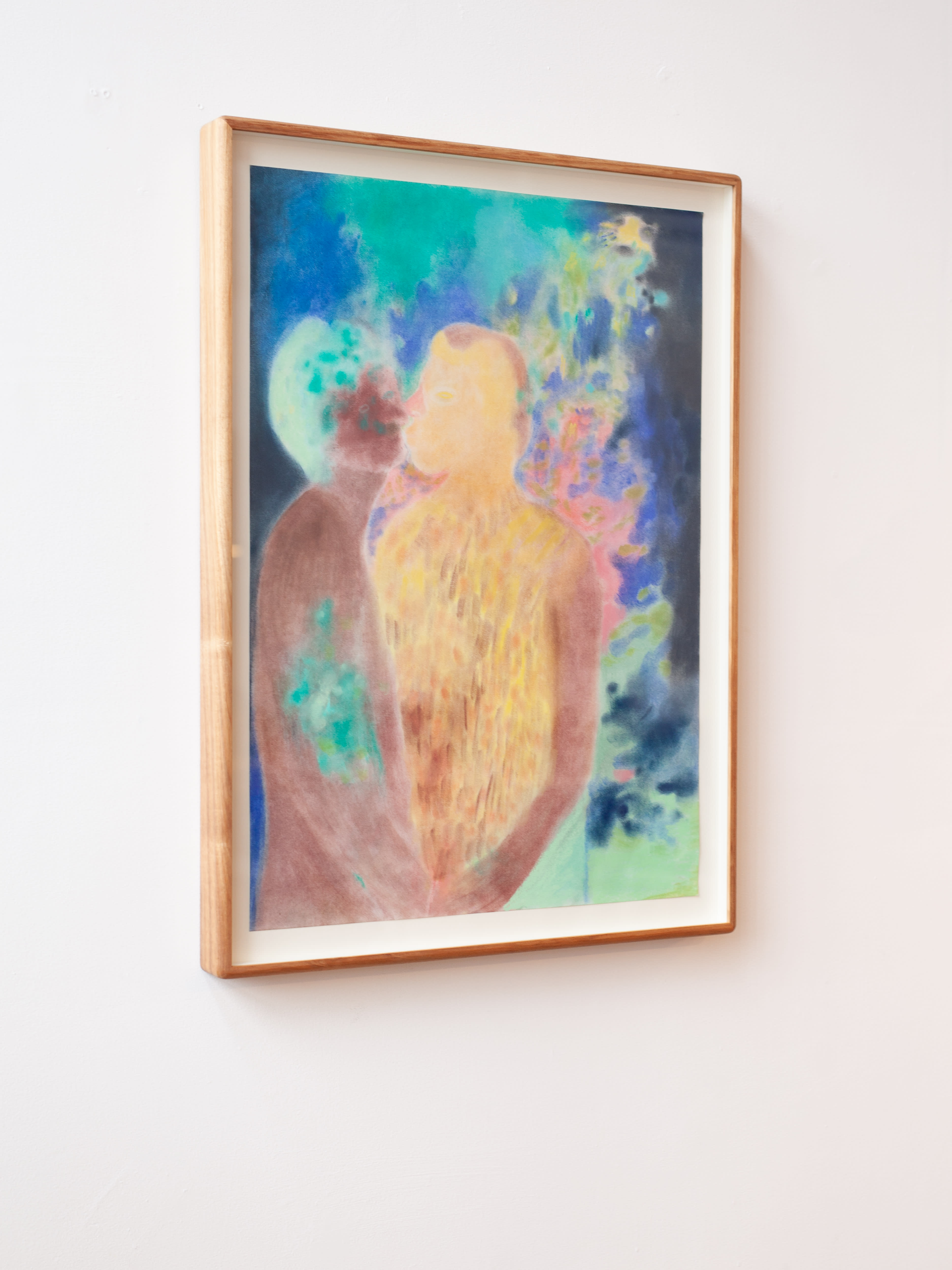
I primarily make drawings with soft pastels on paper, but have recently begun integrating oil sticks/pastels/paint and experimenting with clay. I make art to understand the world, to stay sane (!) and to make connections: to all parts of myself, to memories, my ancestors, spirituality, and (I hope) to the people who see the work.
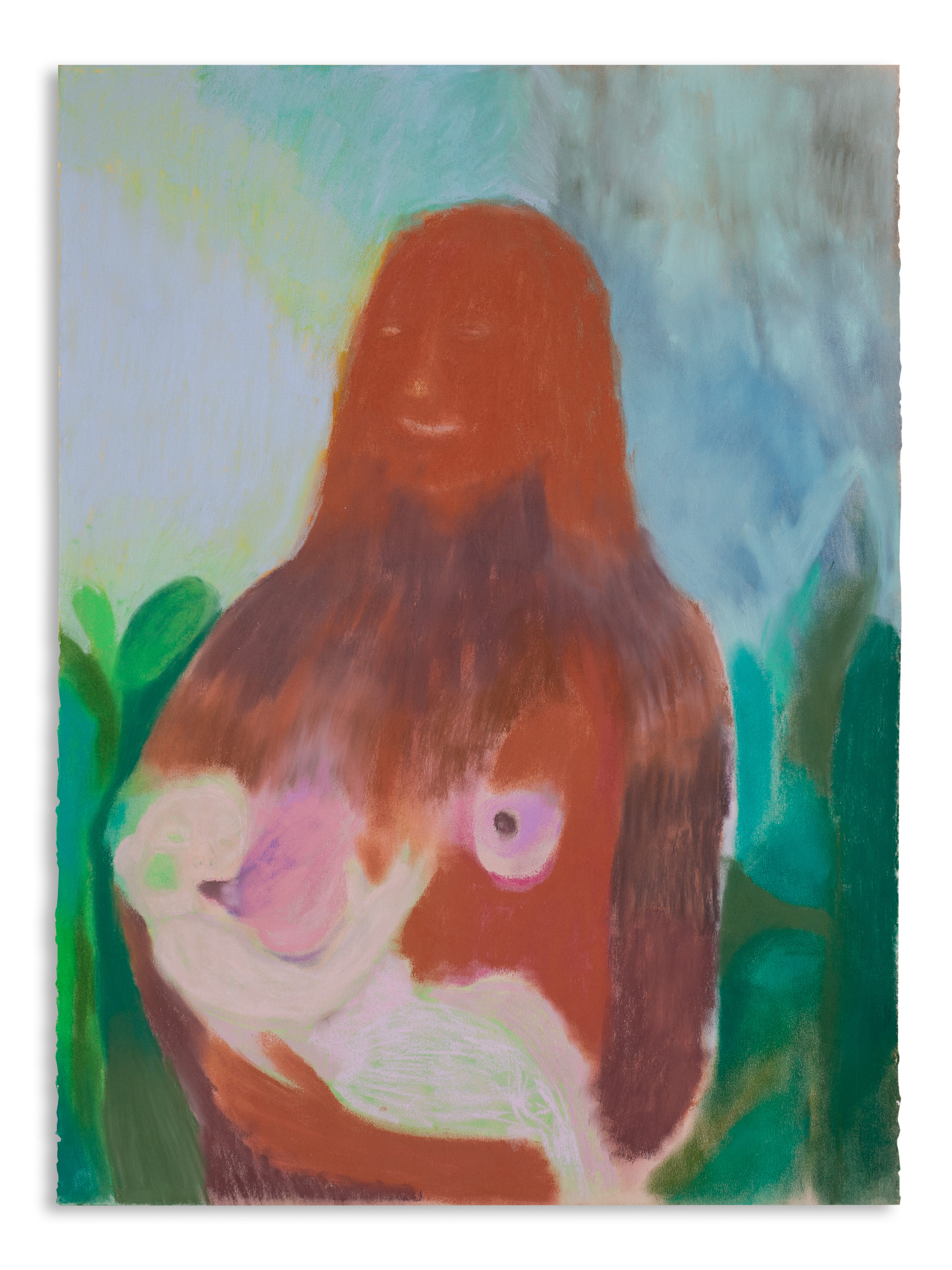
How did you get here?
Although I studied fine art in the early 2000s, I didn’t start consistently practising art until 2020, when I was studying art therapy, pregnant with my second child and at home with a toddler in the Melbourne/Naarm lockdowns. I had previously worked in creative fields, but I couldn’t seem to make space for my own practice. It wasn’t until I started teaching, became a mum, and studied art therapy that something unlocked, and I realised I needed to draw for myself, even if I never shared it with anyone.
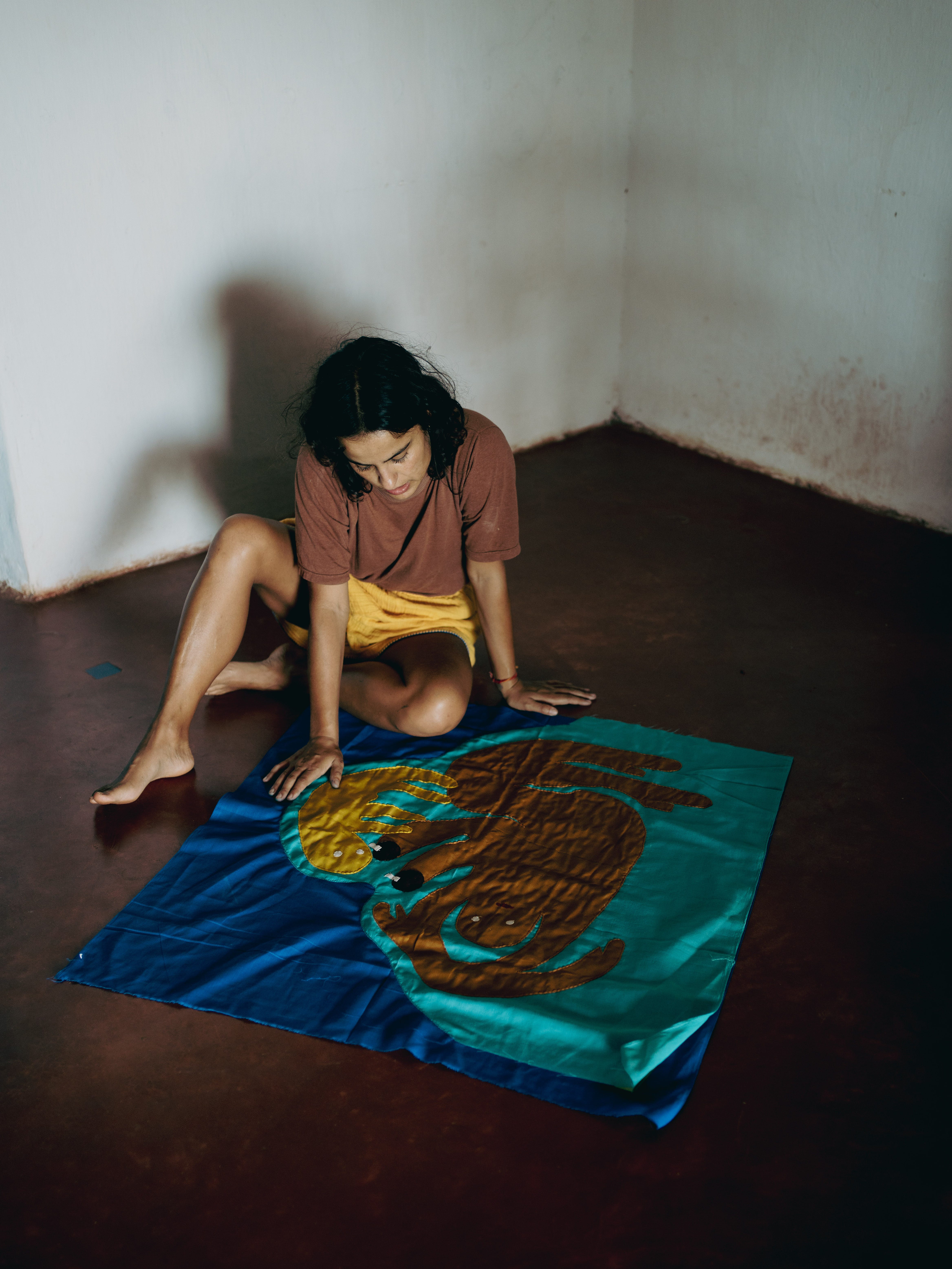
What inspires your work? Any particular art periods or philosophies?
Honestly, I think motherhood has been the biggest inspiration and motivation; it draws you into other realms, and everything becomes something entirely new. I’m now learning that grief does something similar. I am fascinated by the human condition, how memory works and the way children see and experience the world. Meditation and the Jungian practice of Active Imagination has been a potent way to access my subconscious, but I also use music, colour and form in a similar way. Other consistent influences are the anthropomorphic terracotta figurines from Harappa and Indus Civilisations, my cultural heritage, the exoticism of the Symbolists and the Nabis, The Ganga, Hindu/Vedic rituals, superstition, self-help, wellness cults, Yeti myths, and Celtic folk stories.
When did you know you wanted to become a creative? Was there an influential figure growing up?
I feel like I was a bit of a weird kid. I’m the youngest of three older siblings, so I had little adult intervention and was left to my own devices a lot, which resulted in a lot of DIY VHS videos with cassette-taped soundtracks, handmade magazines and comics. I was lucky to have parents who encouraged me to make art, especially my dad, who went against the more strict, conservative, migrant mindset of his earlier years of parenting. Mum was super creative but didn’t formally practice art, although I remember finding her high school paintings and thinking she was so talented, not understanding why she didn’t still paint or draw. Now that I’m an adult and a mum, I appreciate the juggle and sacrifices of self for your kids, and how hard it can be to even get started. It probably wasn’t until my dad befriended the local artists Criss Canning and Peter Tyndall that I realised people in the ‘real world’ made art full-time, although I wasn’t sure I would ever be able to do it myself. I loved studying art at school and uni, but never felt like I was good enough. Thankfully, each year that I get older, I feel too tired to keep wrestling with that thought anymore — it wastes too much valuable time that could be spent actually working!
What have been some of the highlights of your career, and what do you have coming up? Do you have a favourite project?
In the short time I’ve been sharing my art, I’ve been fortunate to connect with other artists, gallerists, curators, writers, photographers, interior designers, architects, musicians, and framers, and been given opportunities to exhibit with high-profile commercial galleries to small ARIs — I’m so grateful for every single experience! I also really value my collectors and receiving their kind messages and feedback; it means a lot to know my work can touch people’s lives. I’ve been taking a break from exhibiting this year to focus on handing over Sareen’s care to teaching staff and to explore and expand my practice. But I did the album cover art for Guy Blackman’s latest release ’Out of Sight’, and I’ve got some new work at the stunning new bathhouse About Time, plus a couple of things in the pipeline for 2026 & 2027 with Sunday Salon. My last solo exhibition, “Pretend This Is Your Heart’, was a huge part of processing a lot of grief, so that was really special for me.
Who is in your family, and what are their ages?
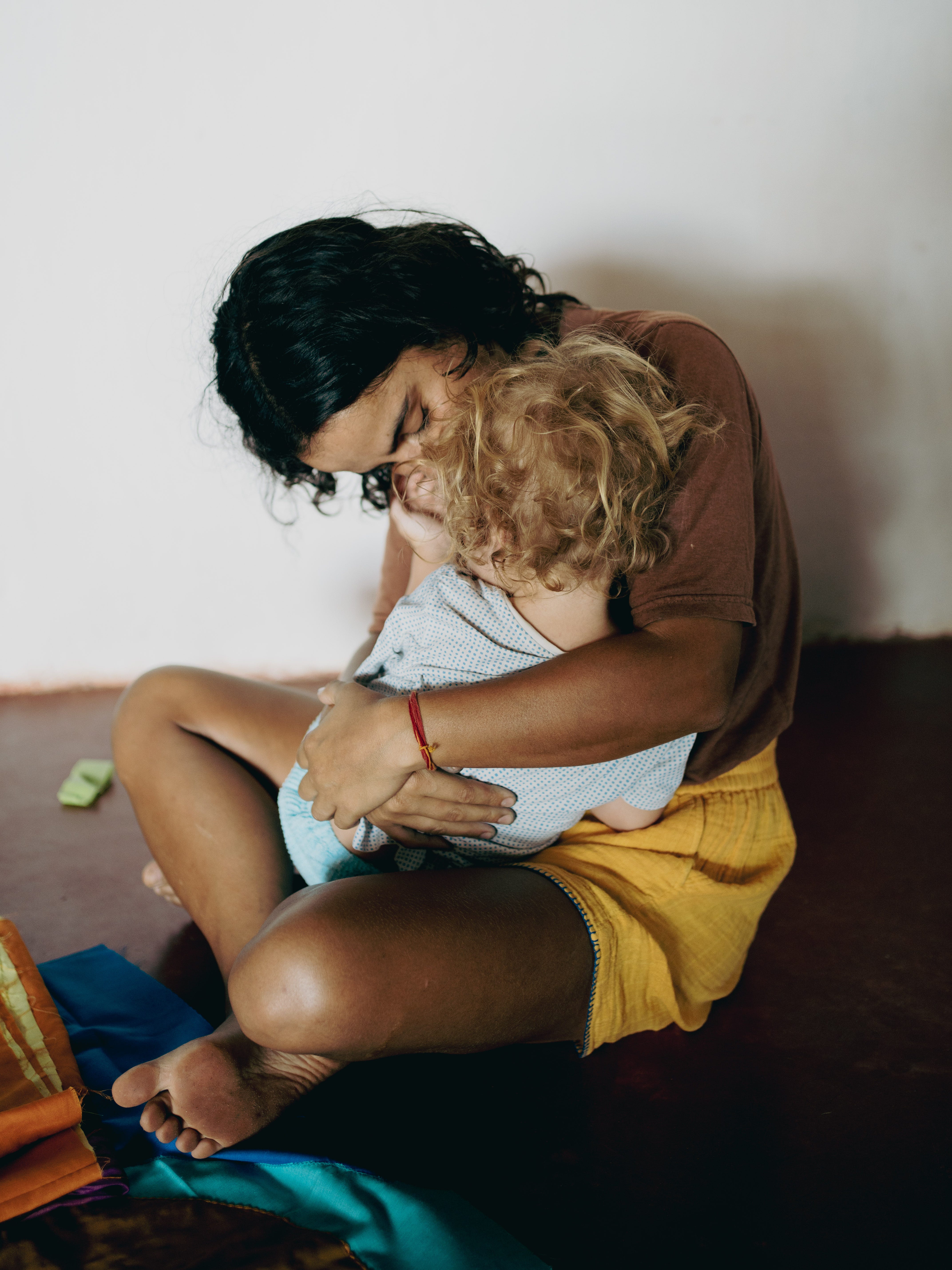
My partner Chris, Rishi, 8 years, Sareen, 5 years, and our dearest dog Mini Moon Rabbit, 100 years?
Where are you based, and why did you choose this area?
We landed in Anglesea/Kuarka-Dorla in late 2023, after a stint in the Northern Rivers and after 20-odd years in Melbourne/Naarm. In April 2024, my then 3.5-year-old Sareen was diagnosed with Type 1 diabetes. For those who don’t know (and I didn’t), it completely turns your life upside down, requiring 24/7 management, and it doesn’t like to follow many rules. Although my art practice in many ways has had to take a pause, more than ever, I value its role in my life. It is crucial to mine and my family’s well-being. Living in a quiet seaside town near the bush has given us all time, space, and peace to navigate life with my daughter’s chronic health condition. I’ve also noticed the landscape has snuck its way into my practice lately, for this little 90s TV-kid, I’m confronting a lot of my discomfort with nature and my relationship to the land.
Has becoming a parent changed your practice?
More than I had ever imagined, in the sense that it truly emerged after I had kids. However, my practice currently feels quite humble; it has to wait patiently while I tend to my children first. Although I have ambition and aspirations, I have made peace with the limitations of the present moment, and trust that the time and space for art making will become more available to me as time goes on and the children grow.
What does your day-to-day look like, and how has this changed from previously?
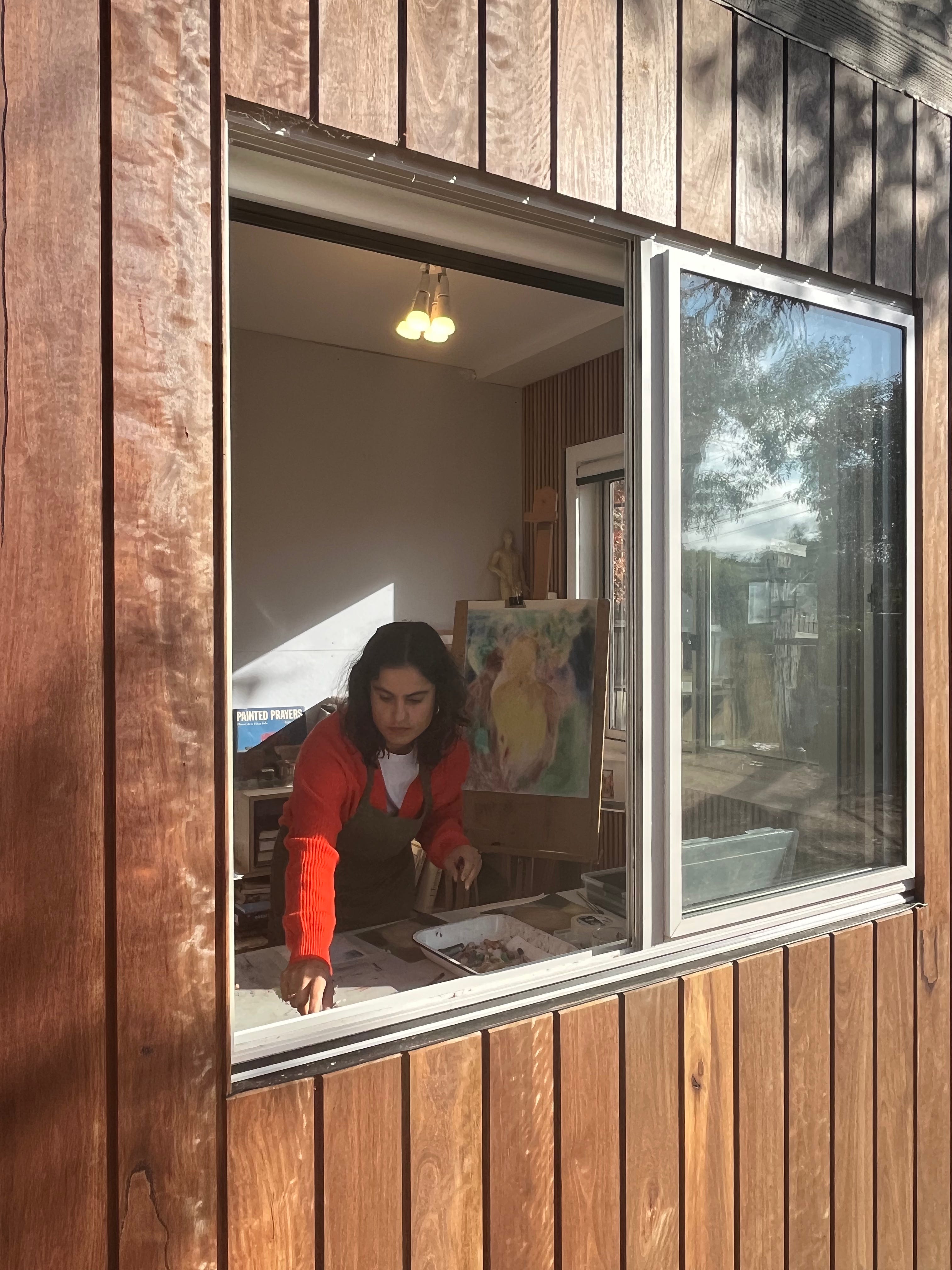
My day-to-day changes almost every day! T1D management requires a highly responsive approach. Some nights her alarm will go off every 5 minutes for half the night if her blood sugars are high or low, but some nights she is steady. I have 15 hours of childcare for Sareen for which I am on call for, and as I write this, I have five casual jobs, so I’m embracing the chaos and fluidity of it all!
Do you have any advice for creative parents?
Although it doesn’t work for me, I so love the advice that my friends and artists Jess Swaffer and Amber Wallis separately gave me years ago: to grab moments of time and make art with whatever you have on hand (that’s safe to have around little children). I was/am not good at this as I need long stretches of time to read, listen, look, think and really slow down before starting to work. I suppose the current advice that I’m constantly trying to remember would be to be gentle with yourself, that it’s ok to surrender and prioritise regulation over productivity.
What are your thoughts on the approach of the industry to parents? Have you found support or lack of?
In my experience, I haven’t felt unsupported, but I do feel limited by the real constraints of motherhood, which, on some days, I rail against and, on others, I don’t. I’ve been fortunate to work with a gallerist like Lily Mora, who also has young children. I feel like we can understand where each other is coming from, which makes for a great working relationship.
Do you have a mantra/quote that keeps you going?
It’s not a quote, more of a feeling. On the days I want to quit making art because it’s too hard or doesn’t fit into my life, I have to remember how it felt to not make art, and that’s usually enough to keep going, even in the smallest ways.