

Creative Parents: Amber Wallis (contemporary artist and mother of one)
“It was a moment of make or break”

The last couple of weeks (months?) have been challenging. Ideas I’ve had about my parenting journey have been challenged, and frankly, I’m overwhelmed. I don’t feel like I was prepared for a lot of the obstacles I’m having to face, and really, mostly, because I’m exhausted and don’t have free time for myself. I’m on edge. Everyone always says how amazing mothers are, and how, you know, you get on with it with nothing in the tank. But at what cost? I wonder how my body will react to this level of anxiety that has hummed angrily in the back of my life for probably the last five years, if I take my conception journey into consideration. I’m being so frank and honest right now because I’m sure I’m not alone. And I know I’m not alone. I decided to take some action this week, but at the end of the day, I love coming back to Creative Parents and finding solace and comfort in these interviews.
It’s interesting timing then that this week’s Creative Parent is the incredible Amber Wallis, whose art practice is so brilliantly dynamic and layered with conceptual depth. But given this, she feels that her reception in the art world has been hindered by her conceptual terrain, which explores parenting and being parented. This interview can evoke a sense of unease, but it’s her reality, and likely a reality for many artist mothers. Especially those in regional towns where support networks are so much smaller.
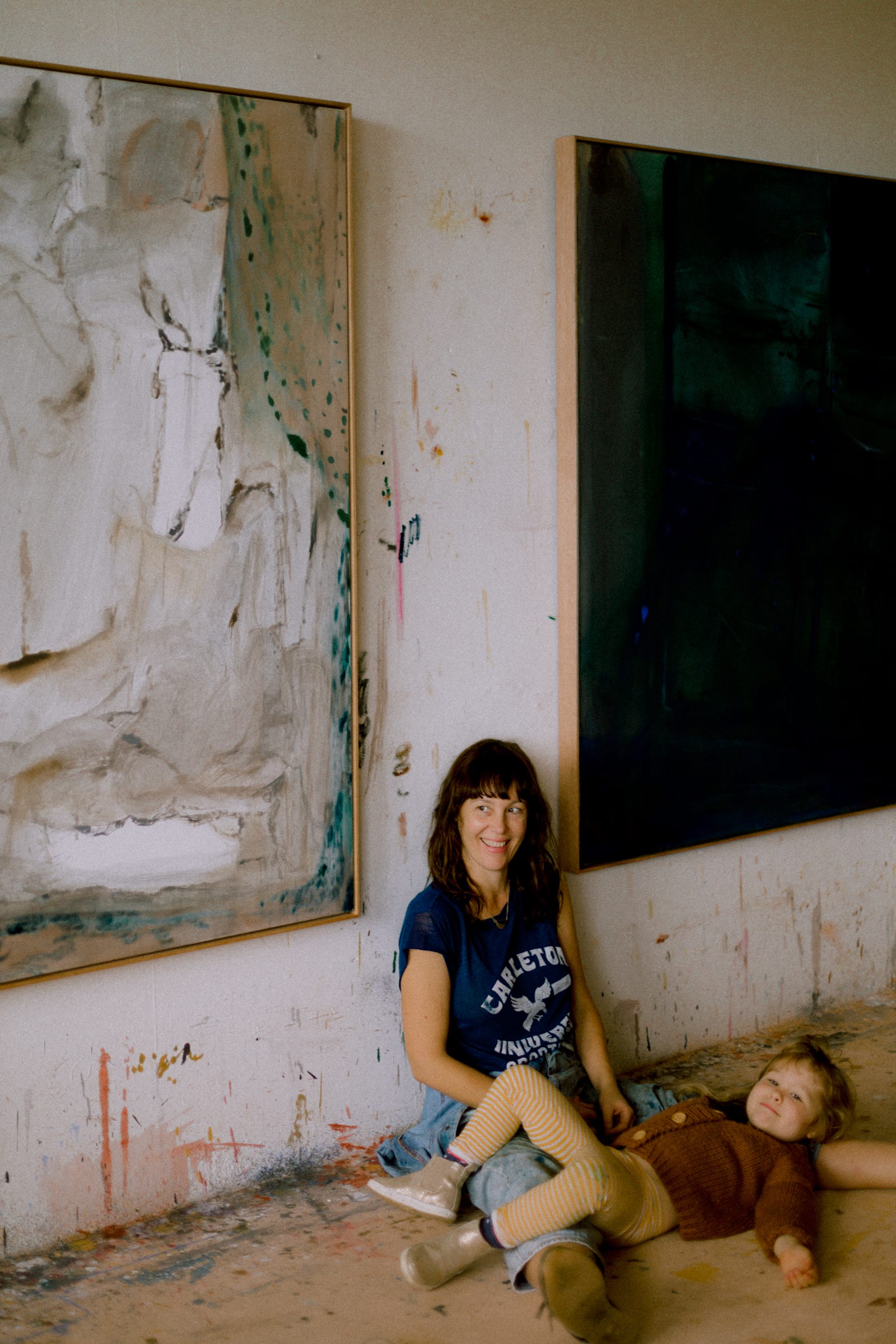
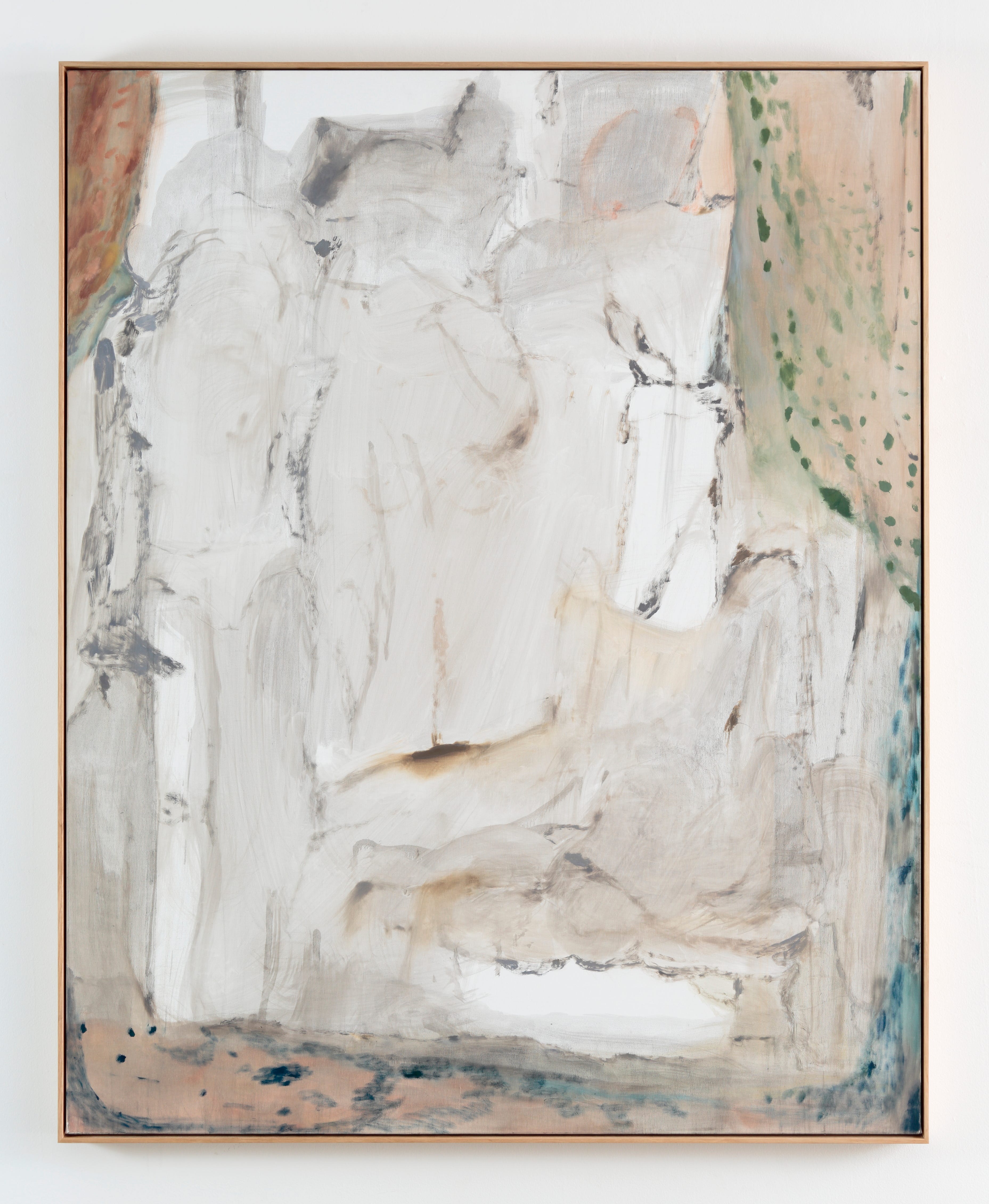
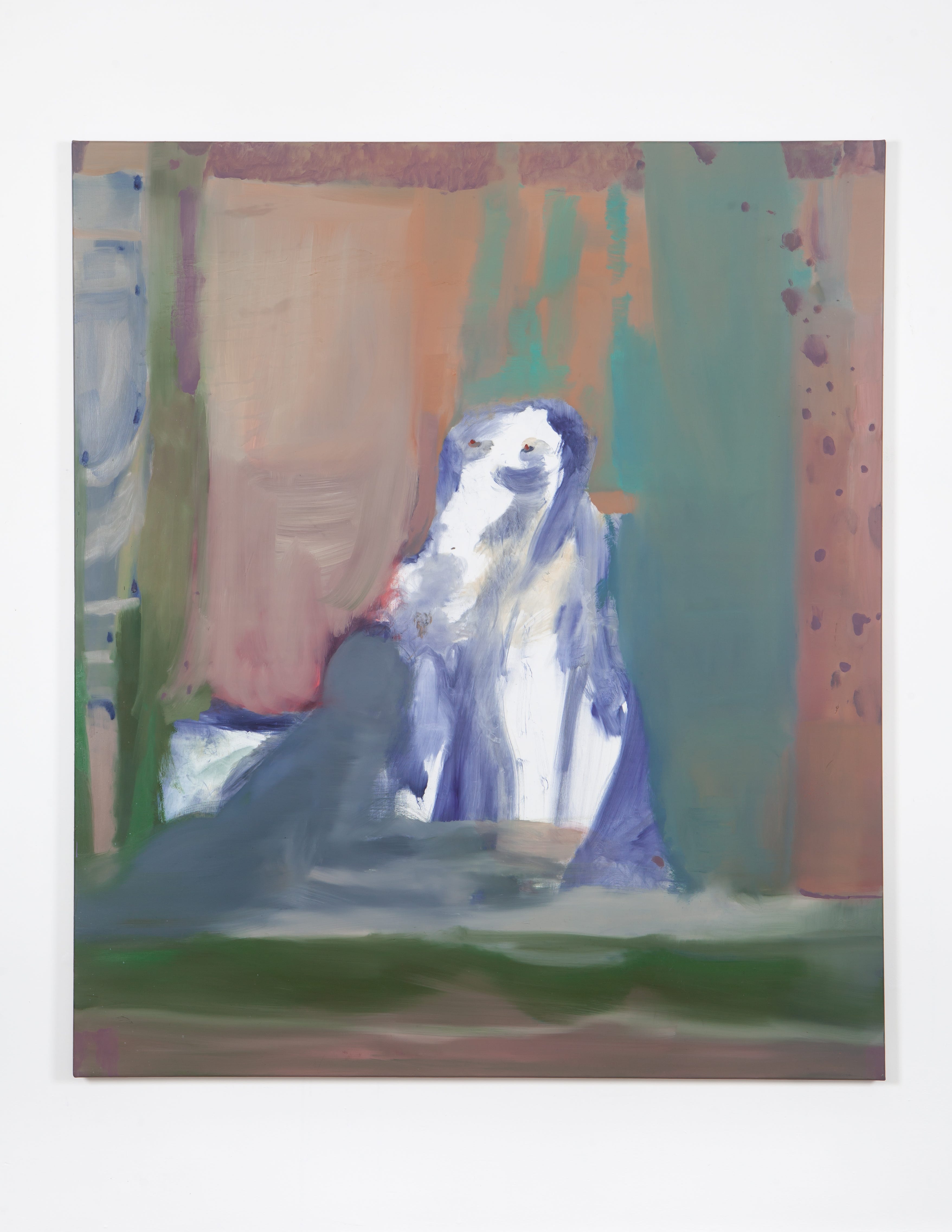
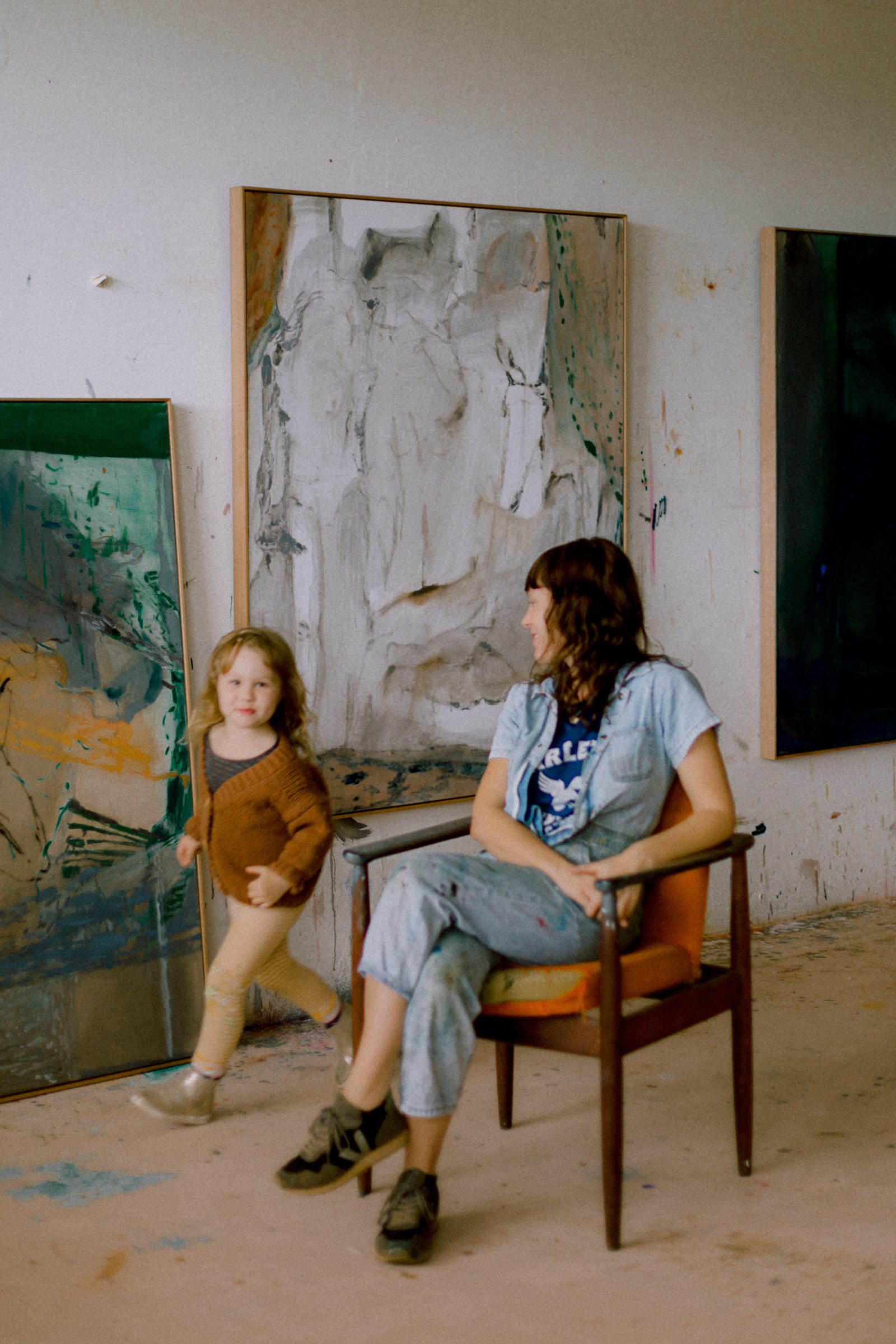
Amber currently has a show at Jan Murphy Gallery in Brisbane, and I’ve been able to share some of her moving paintings. She says of the works: “I intentionally do not want the work to be too figurative, too landscape, too abstract, but what has remained conceptually is an interest in stillness, voyeuristic viewpoints, hints to structures, the land, blurred figures and invisible yet visible women. The work is an ode to Intimism – a French term used for quiet domestic scenes; the window is present, alongside veils and curtains and calm viewpoints where figuration is largely absent…. I remain broadly interested in notions of care, in women’s experiences of steadfastness, protection and guardianship, and simultaneously our invisibility. My practice often obliquely references my experiences as a daughter of the counterculture and my current experience of mothering.” The works suit this interview so succinctly – it’s an honour to share.
Here is the Q&A of Amber Wallis, contemporary artist and mother of one:
Can you tell us about your art practice — what do you create, with what, and why?
I am a painter, but the basis of my creative endeavours feels like drawing, even though it is oblique. I move around genres in oil painting and use varying substrates for different effects. I feel deeply attuned to the visual in life and creating in general.
How did you get here?
It’s been a long, slow road. I’m 47 and I have been painting consistently since I was 30. I studied photography in my 20s, so it’s been an ongoing visual practice, which I have done without privilege, which has meant constant part-time work to get by. It isn’t an Instagram-perfect story at all, and I think that is important to note in today’s edited and curated world.
What inspires your work?
I’m particularly interested in 1970s utopian architecture, communal living of the era and the failures of utopian idealism and the dropout counterculture, which reflects my early childhood. Consequently, I use voyeuristic viewpoints, curtains and folds in lieu of doors in my work, which I use to reflect safe and unsafe experiences of communal living. I’m also very interested in sexuality, safety, and the invisibility of women and mothers. I’m interested in merging these terrains through abstraction and creating work that morphs out of hard terrain into calmness and safety.
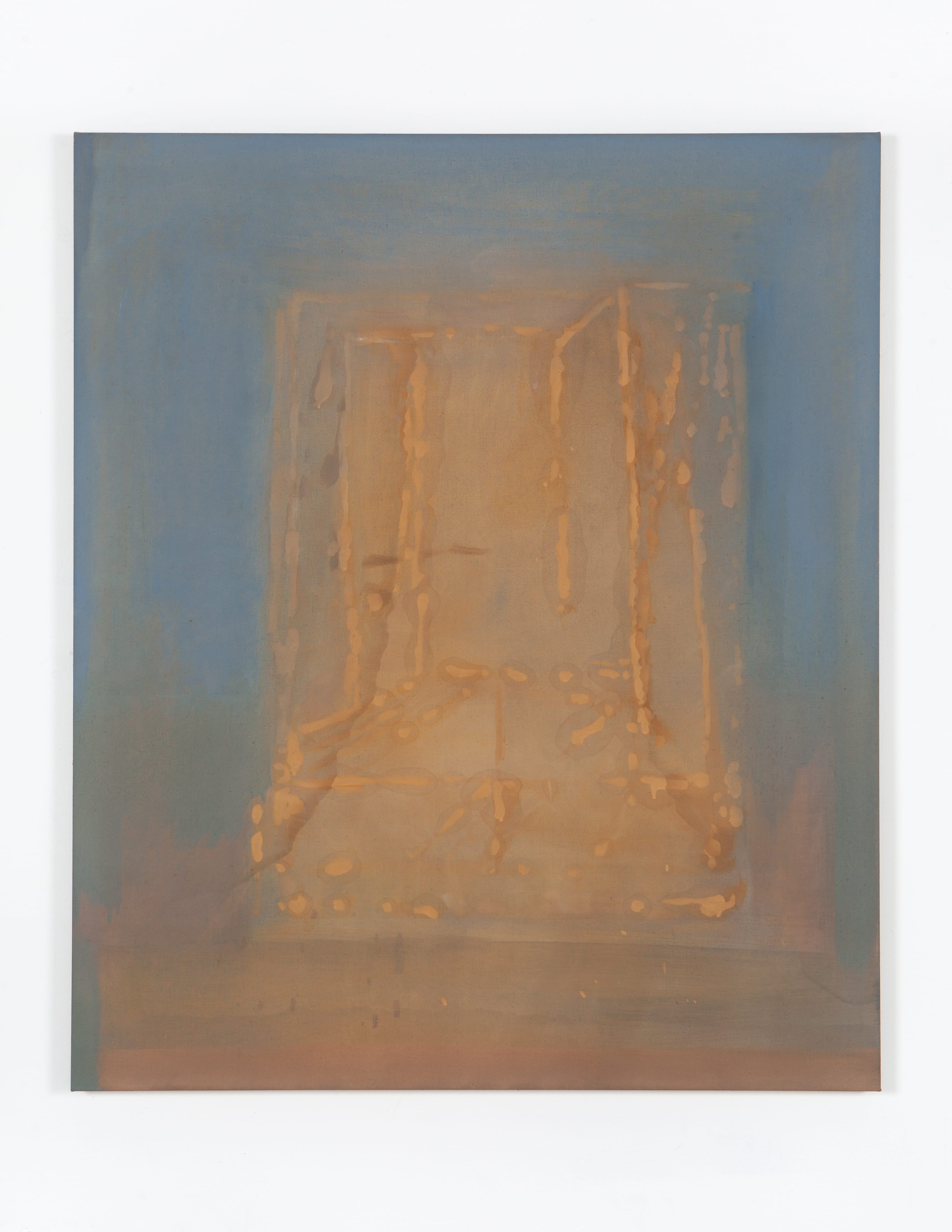
I’m also increasingly interested in materiality and pure abstraction. I could probably just paint colour field blobs and be happy. If I could retrain, I would do architecture and probably have quite a different life. I’m very happy on building sites and I think I could create in a more three-dimensional way that is architectural.
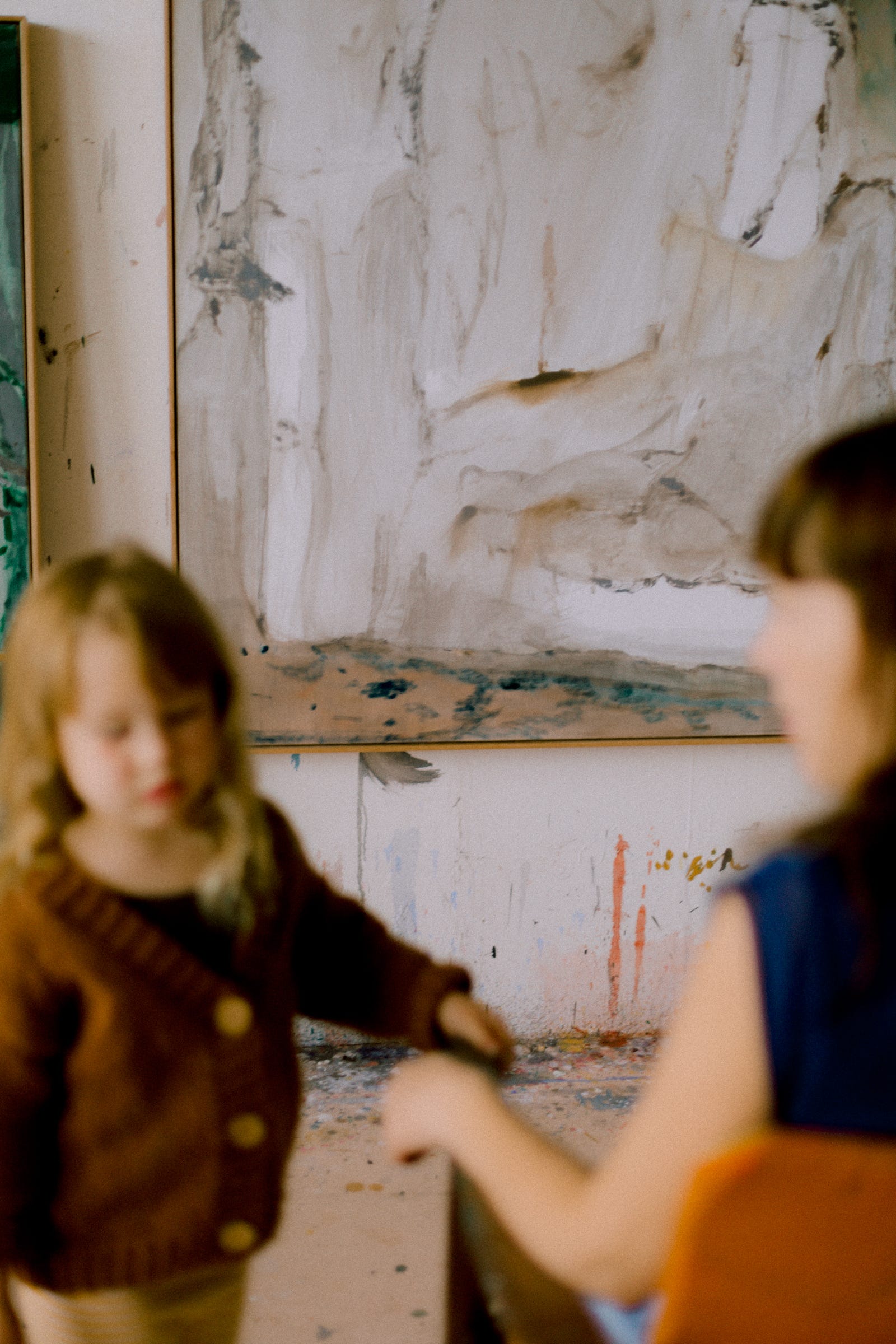
When did you know you wanted to become a creative? Was there an influential figure growing up?
My mother was a ceramist, so I grew up with her working from home or in studios in New Zealand and Sydney. But she never supported my creative life; she shunned me away from it due to the challenges she faced as a woman and single mother in the arts. I do remember a pivotal moment in my early twenties while living overseas when I really asked myself what I wanted in life, and I had a vision of a studio where I could create large paintings – it was as simple and as complicated as that. I did, however, always feel the arts community was the place for me; it is where I found my peers and at art school, I feel like I had finally found my people.
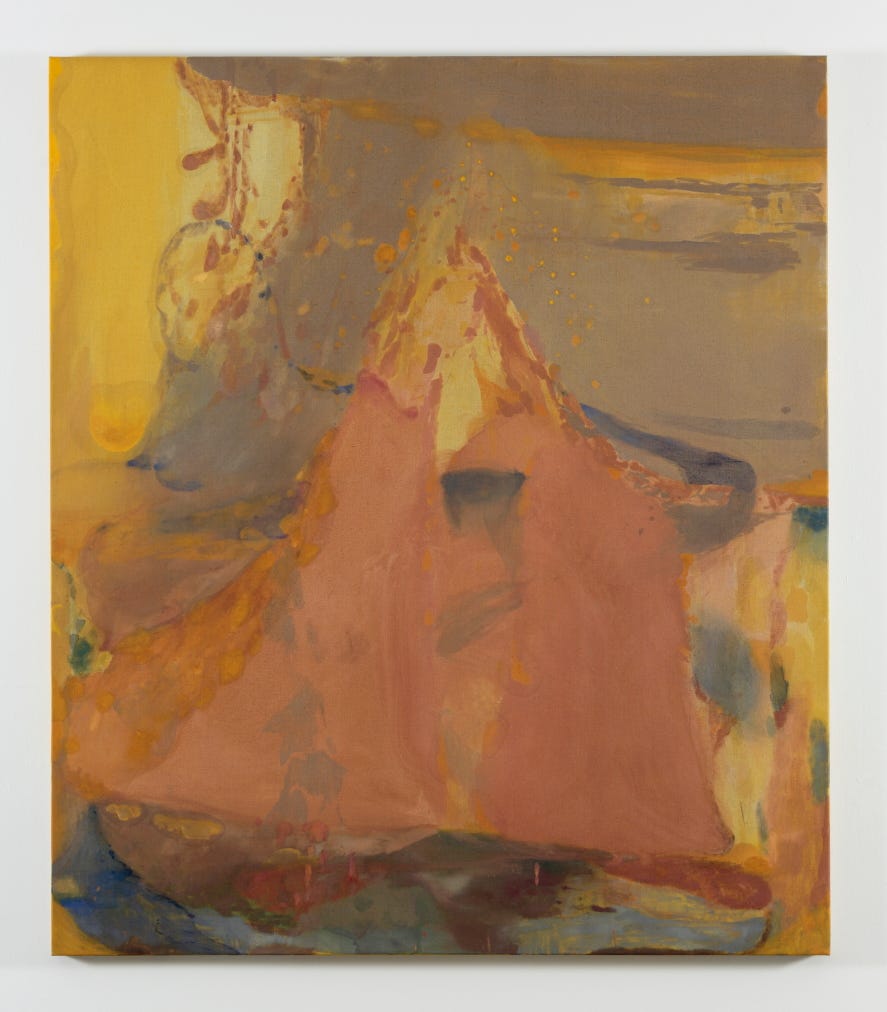
What have been some of the highlights of your career, and what do you have coming up? Do you have a favourite project?
Winning the Brett Whitely Travelling Art Scholarship as a 30-year-old was a truly pivotal moment. I have had three solo shows at art fairs: Melbourne Art Fair and Sydney Contemporary, which have felt important. Recently, I was curated into the institutional show Tender at Ngununggula, which was 100% conceptually aligned with my practice, which felt career-defining. The future is always somewhat unknown as an artist, and I’m in a significant moment of flux right now. My show, Paintings opened at Jan Murphy Gallery in Brisbane on October 7th, and then I’m heading to New York and North Carolina to do some research at Black Mountain College through funding from Create NSW. Next year, I will have a solo show with Nasha Gallery in Sydney, which I am excited about!
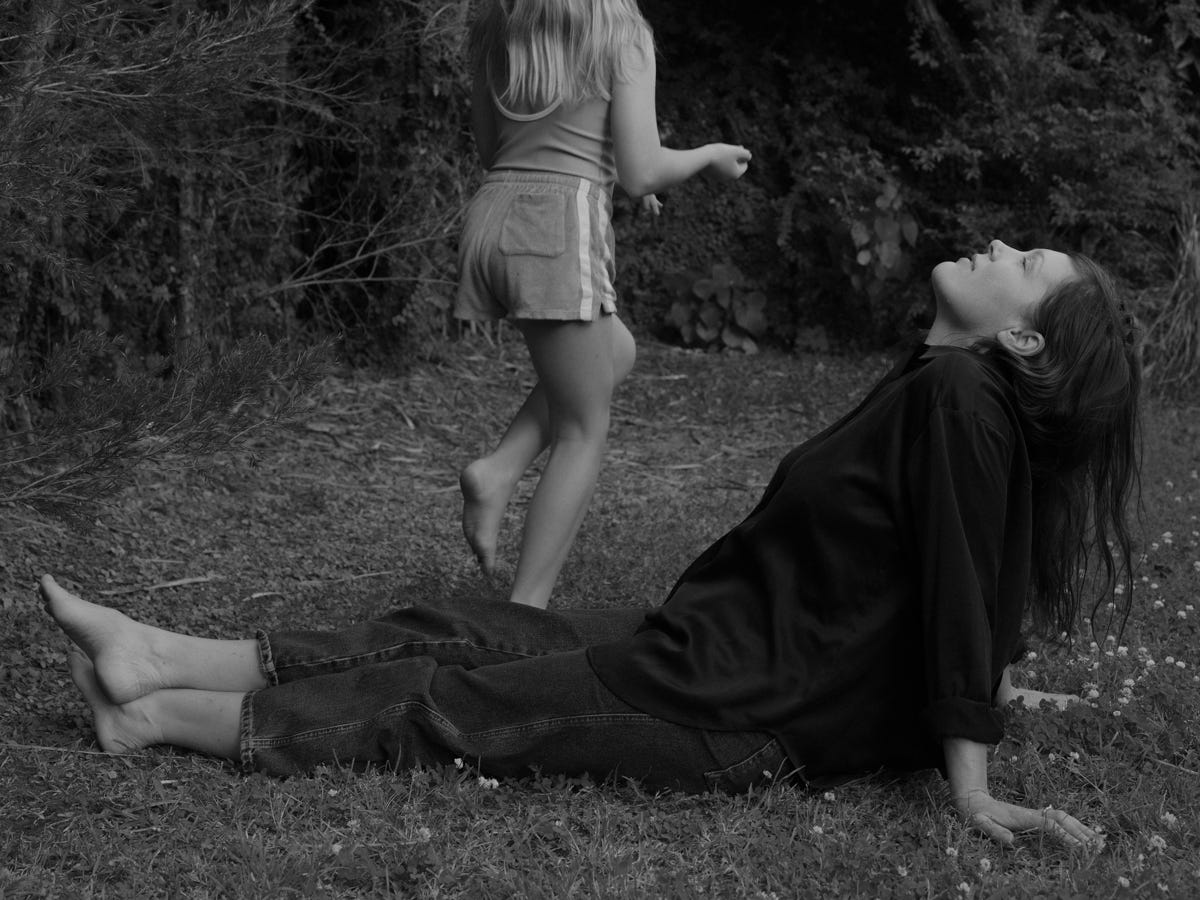
Who is in your family and their ages?
I was born in New Zealand, and my utopian free-love father had seven children. I have five half-brothers, most are from different mothers and apparently a sister. One of my brothers died recently from a lifetime of opioid addiction and alcohol. My mother died in 2012, all of my siblings are in New Zealand, and some of us have never met, so I couldn’t tell you how old they are with much accuracy. It’s not the nicest tale or upbringing.
Unfortunately, I feel like an orphan. I’m hoping to give my daughter a different experience from my own that is safer, full of love and support.
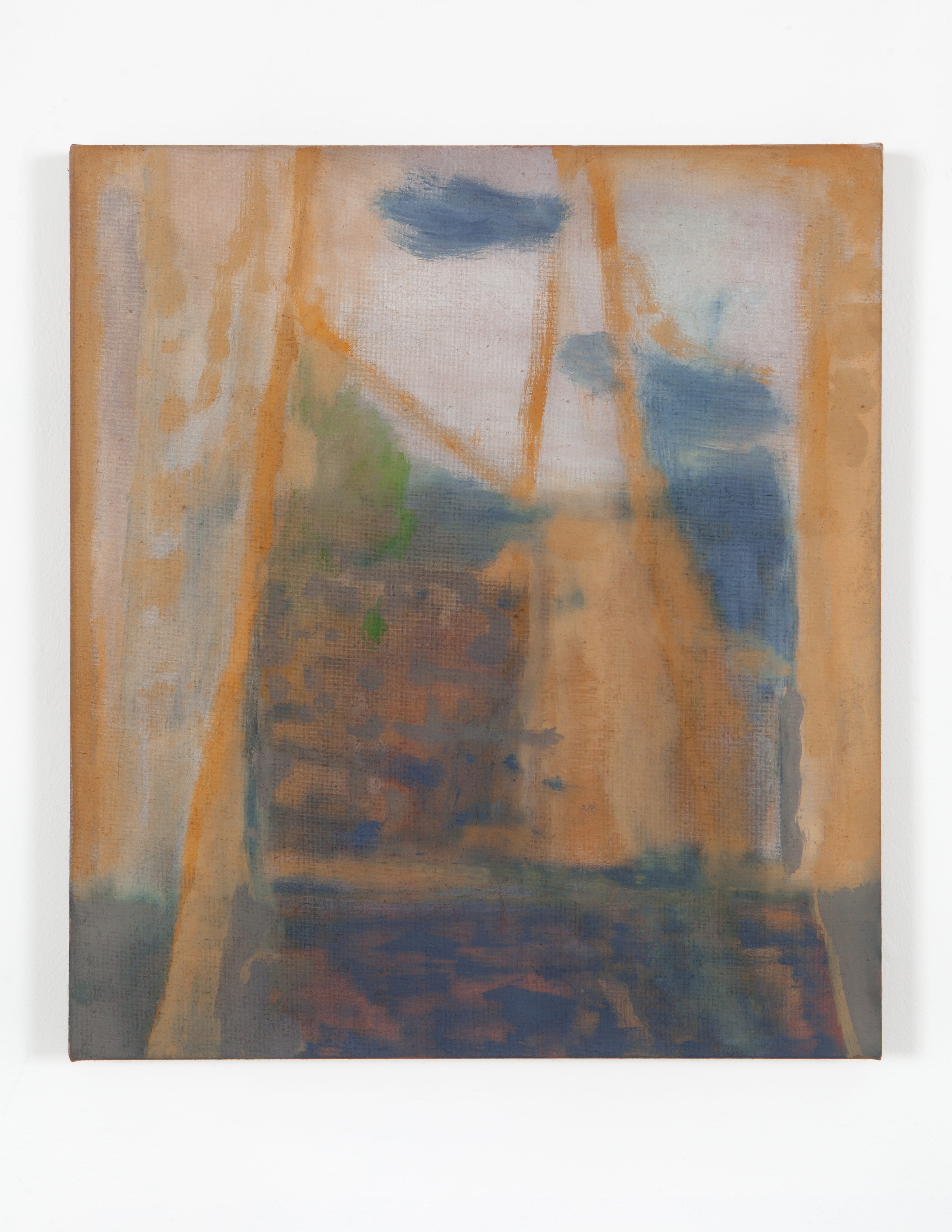
Where are you based, and why did you choose this area? It would also be great to reflect on your own home + design choices with your family in mind.
I have been in Northern NSW since 2012. When I moved, it was cheap and idyllic and was an affordable bastion as an artist. I’m doing the typical thing that artists do and trying to figure out where the next cheaper port is to allow myself to keep painting while considering the needs of my daughter.
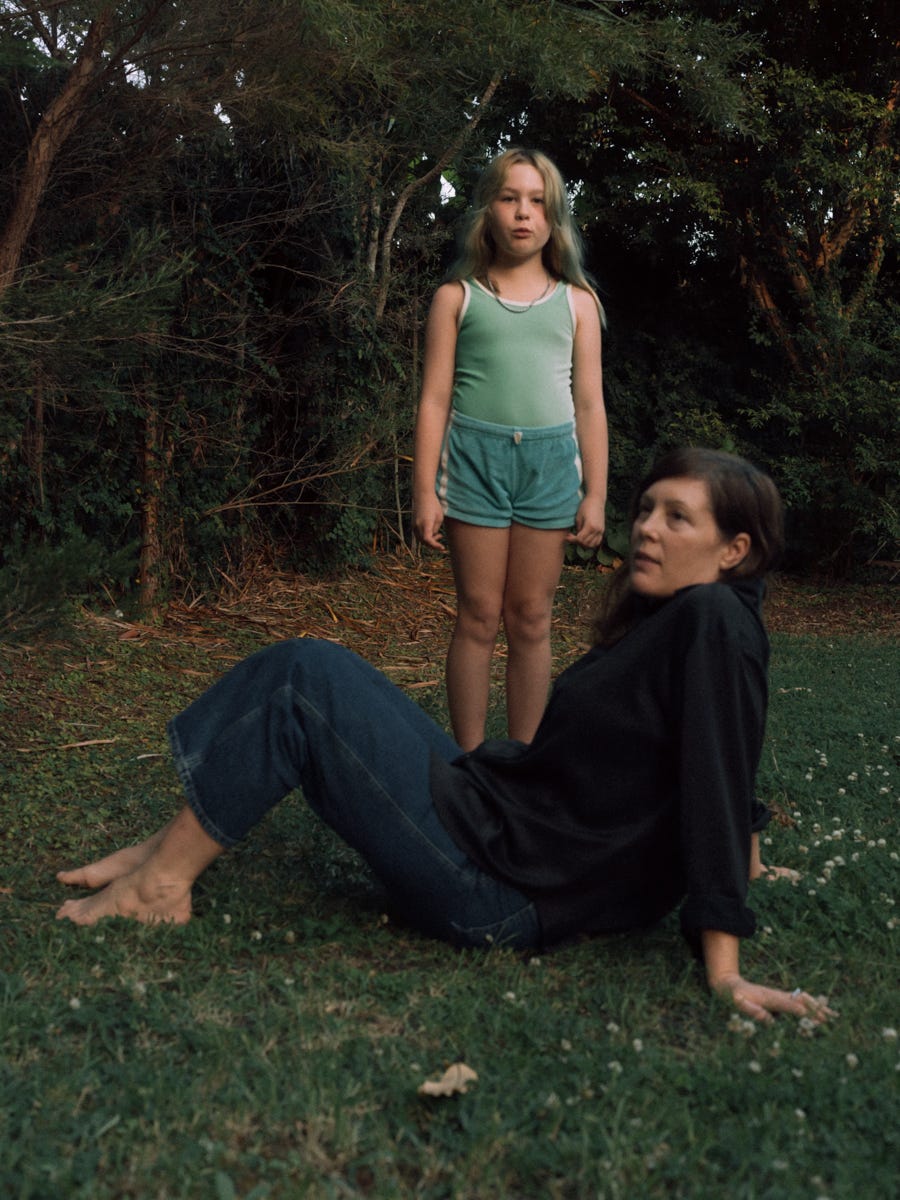
I’m craving a cooler, drier climate, which I have always resonated with. I’m looking for a space that holds beauty, a view, the potential for a studio, a fireplace, and seasonal changes on a shoestring. I would actually love to build a simple abode and am endlessly interested in Agnes Martin’s work as an artist, but also as a builder – she hand-built her adobe home and studio. If one can dream, I would probably move between a shack on Great Barrier Island in New Zealand, a houseboat somewhere in the world and a modernist house in regional Victoria.
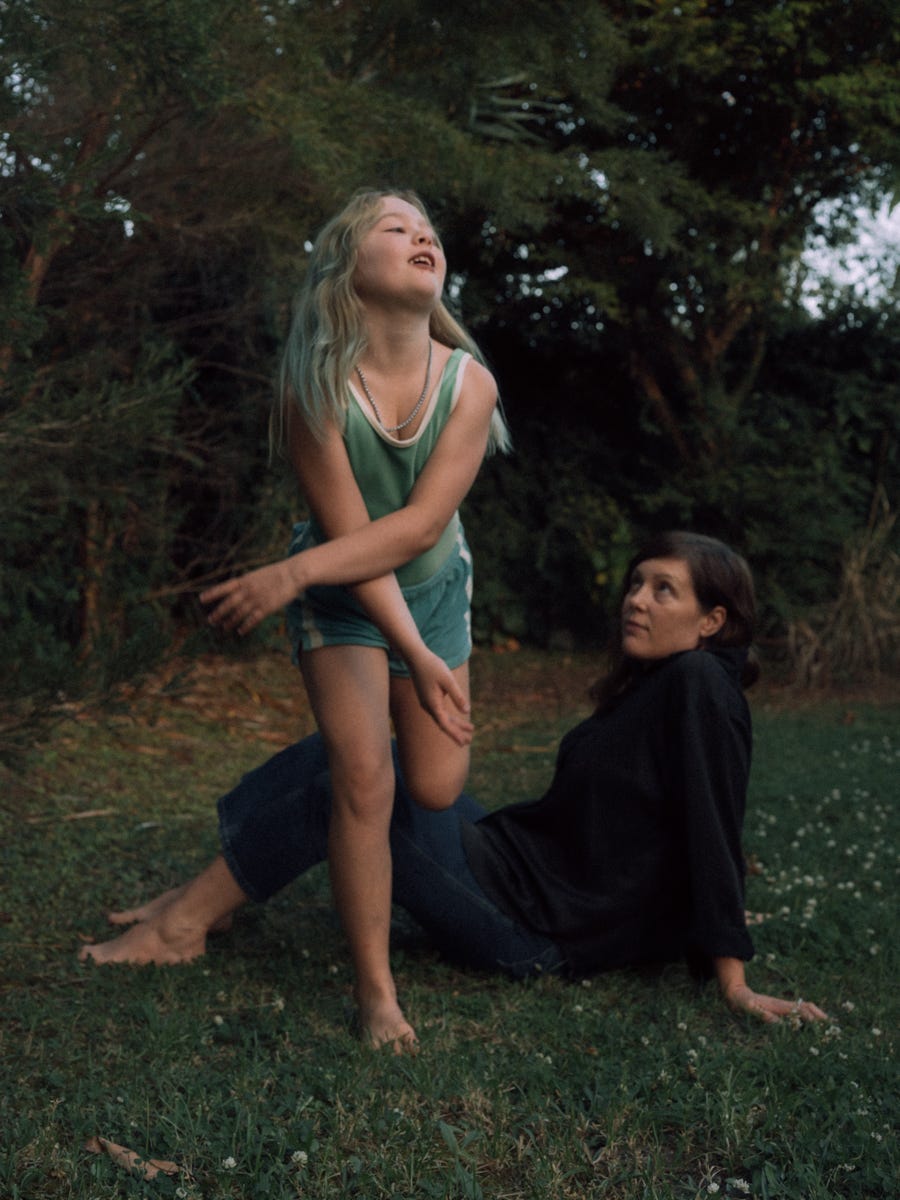
Has becoming a parent changed your practice?
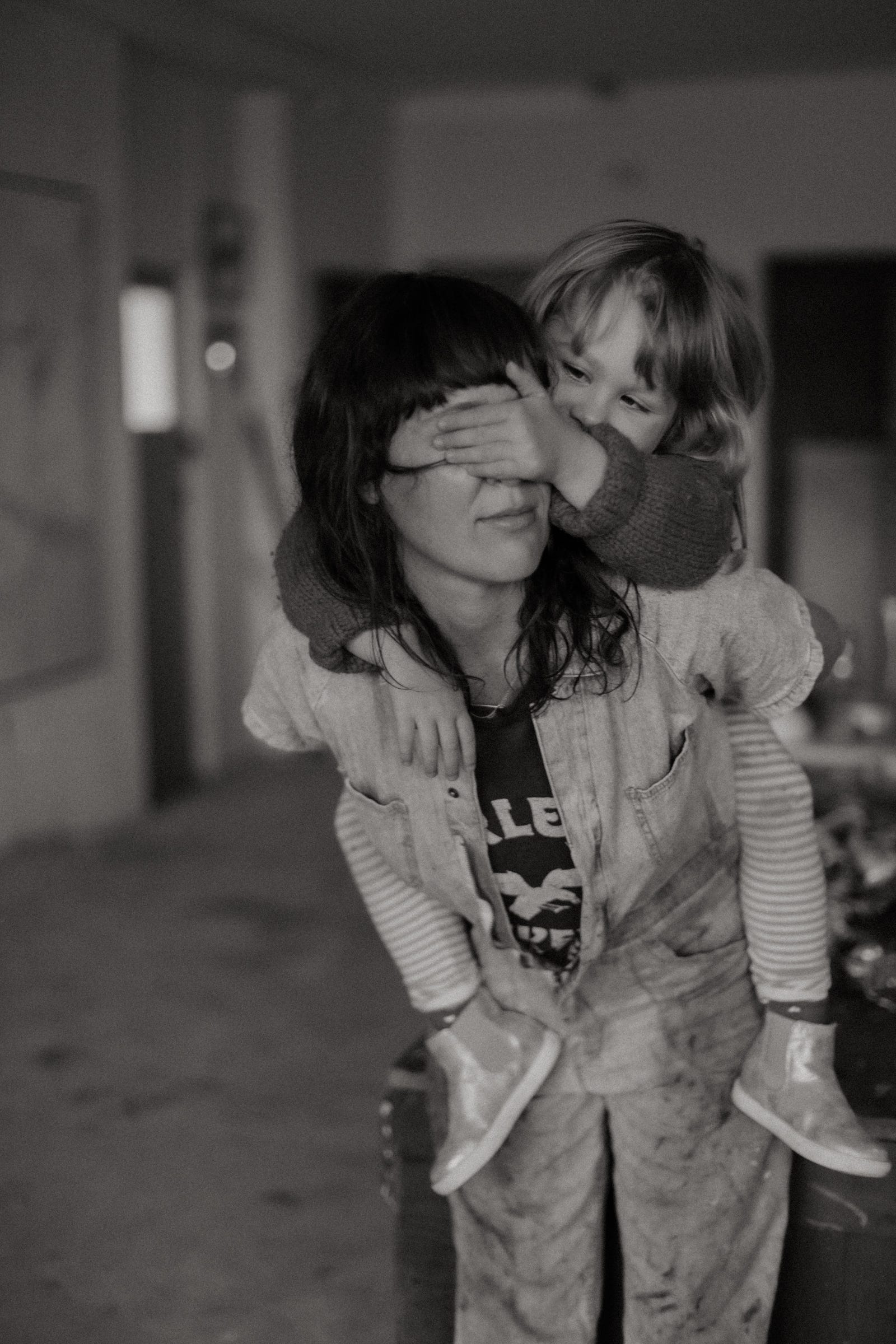
Profoundly. It was a moment of make or break in my creative practice. It shifted the way I work materially, technically and made me really understand my conceptual concerns. I doubled down on my practice instead of losing it, and it could have vanished if I didn’t work hard for it. It has made me talk about my experience as a child, a mother and a woman and try to create visibility where often there feels like there is none.
What does your day-to-day look like, and how has this changed from previously?
I only get to paint within school hours, and I also juggle part-time work and the load of a full-time single mother. I have to try to make good work or make the failures count within the short periods of time that I have. I think about things conceptually a lot, so that when I am in the studio, I have a clear path. I am very disciplined; otherwise, there would be no practice.
What has changed is the profound lack of time.
Do you have any advice for creative parents?
Try to embrace it and allow it to be the change rather than the end.
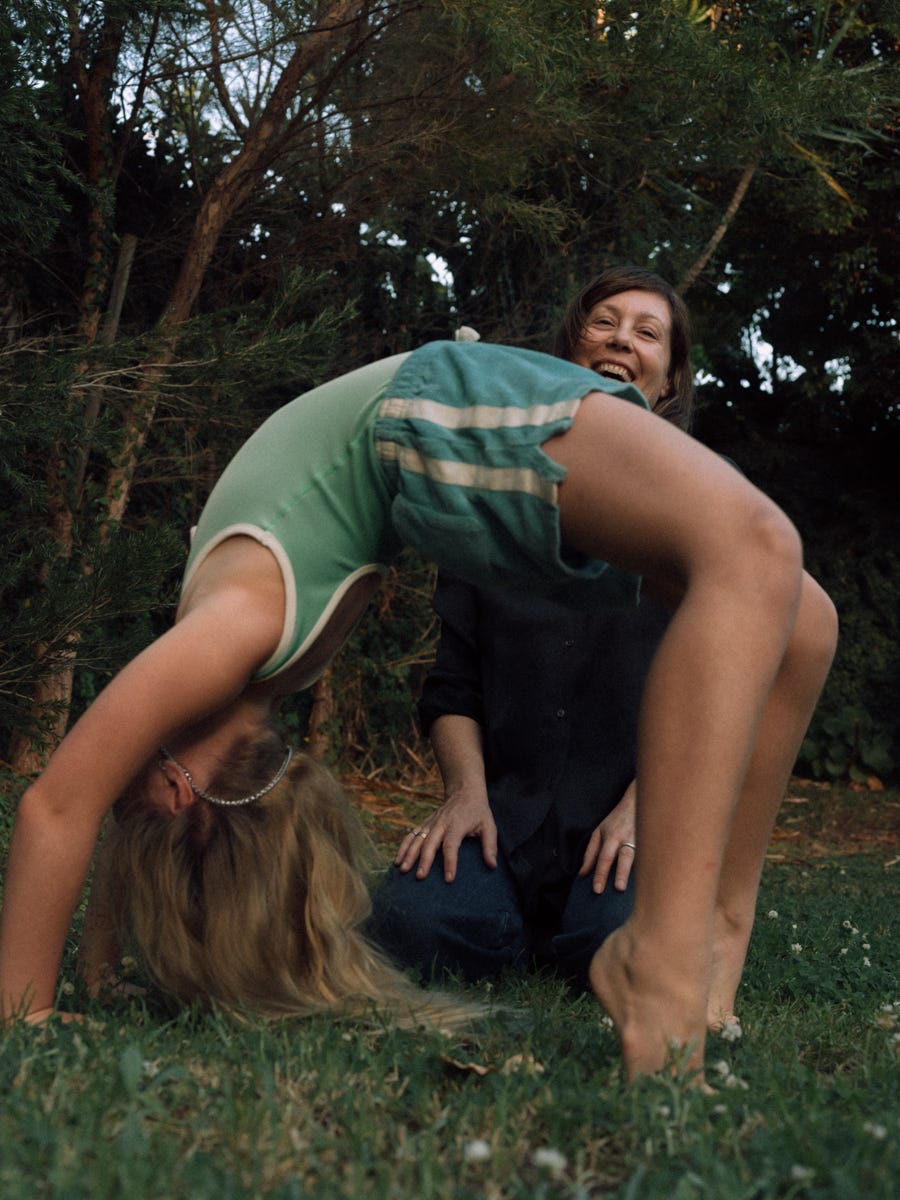
What are your thoughts on the approach of the art industry to parents? Have you found support or lack of?
I have found a lack of support and understanding in general around my conceptual terrain, which obliquely navigates parenting and being parented. I find punters and industry alike aren’t that interested in the conceptual elements to my practice, and that the sexual imagery in my work has hindered me from being in shows and collections, and I have been told as much. I am beginning to experience a shift that only now supports my conceptual concerns. As a mid-career, nationally recognised female painter, I make below the poverty line and have not been collected into a single institution. The inequity and lack of opportunities are extreme alongside male painters with equivalent career standing. I feel like I need to work five times harder than men with a fifth of the time for a fifth of the price.
Do you have a mantra/ quote that keeps you going?
No, but I meditate daily, and that keeps the peace.
Amber Wallis, Paintings, until 25 October 2025 at Jan Murphy Gallery
I am also a painter and mother, and have explored motherhood in my work. I feel Amber’s experience so deeply and have the same concerns. Thank you for sharing this, it is so important. ❤️
As a fellow painter, woman and mother I can fully understand Amber's journey, especially the invisibility which comes with having to prioritise family and work over the creative practice. I'm so inspired by Amber's work and reassured by her deliberate choice to 'double down' rather than lose her practice. Thank you for this important interview!